


TMJ Dysfunction PT
Posture Studio Physical Therapy takes a whole-body care approach to jaw pain. We address the effects of posture, breathing, movement patterns and nervous system regulation on jaw pain and teach each person how to manage their own self-care for lasting change.
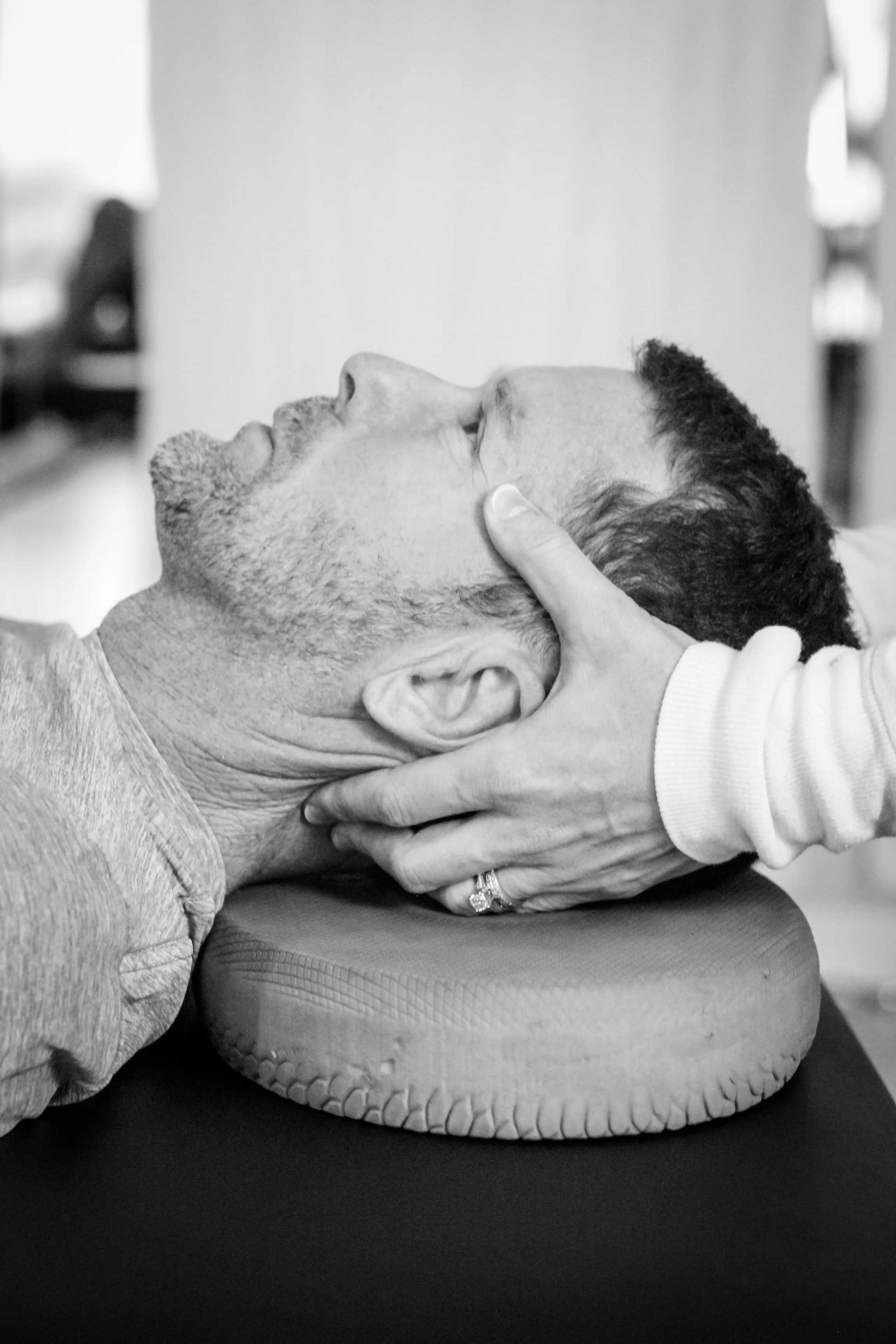
Who Can Benefit from TMJ Dysfunction Physical Therapy?
TMJ dysfunction physical therapy can benefit people experiencing:
Jaw pain, stiffness, or locking
Clicking, popping, or grinding in the jaw
Headaches, migraines, or facial tension
Neck, shoulder, and upper back pain
Pain with chewing, speaking, or yawning
Limited or uneven jaw opening
Ear pain, pressure, ringing, or a feeling of fullness
Symptoms related to clenching, grinding, or stress-related tension
Additional benefits may include:
Reduced pain and muscle guarding
Improved jaw mobility and coordination
Decreased headache frequency and intensity
Better posture and head–neck alignment
Nervous system regulation by calming the pain–tension cycle
Long-term symptom management through movement education and self-care
What is TMJ Dysfunction and what is your PT approach?
Temporomandibular Joint Dysfunction (TMJD) can show up as jaw pain, clicking or popping, headaches, facial tension, neck discomfort, or difficulty opening and closing the mouth comfortably. While these symptoms are felt locally, the jaw is deeply connected to posture, breathing, and how the body moves as a whole.
At Posture Studio, we treat TMJD through a whole-body physical therapy approach—looking beyond the jaw to understand what’s contributing to the strain.
The jaw is part of a larger system
The position of the head, neck, and shoulders plays a significant role in how the jaw functions. Forward head posture, chronic neck tension, or upper-body stiffness can subtly change how the jaw moves and loads over time, increasing stress on the joint and surrounding muscles.
The jaw is also connected to the pelvis through the spine, breathing mechanics, and the nervous system. Patterns of holding or tension in the pelvis and core, often related to stress, posture, or injury, can influence jaw tension. Similarly, chronic jaw clenching can reflect broader patterns of muscular holding throughout the body.
For this reason, TMJD therapy often includes looking at how the pelvis, rib cage, and core support the head and neck, and how efficiently the body is breathing and moving.
How physical therapy helps
TMJD-focused physical therapy at Posture Studio may include:
Gentle hands-on treatment to the jaw, neck, and upper spine
Soft tissue work to reduce facial, neck, and shoulder tension
Joint mobilization to support healthy jaw and cervical movement
Postural retraining from head through pelvis
Breathing and movement strategies to reduce habitual holding
Education to support long-term change, prevent recurrence and to provide independent management of symptoms.
When TMJD is addressed in the context of posture, breathing, and whole-body movement, people often notice improvements not only in jaw pain, but also in headaches, neck tension, and overall comfort in daily life.
Meet Rebecca Brown, DPT and TMJD Therapist
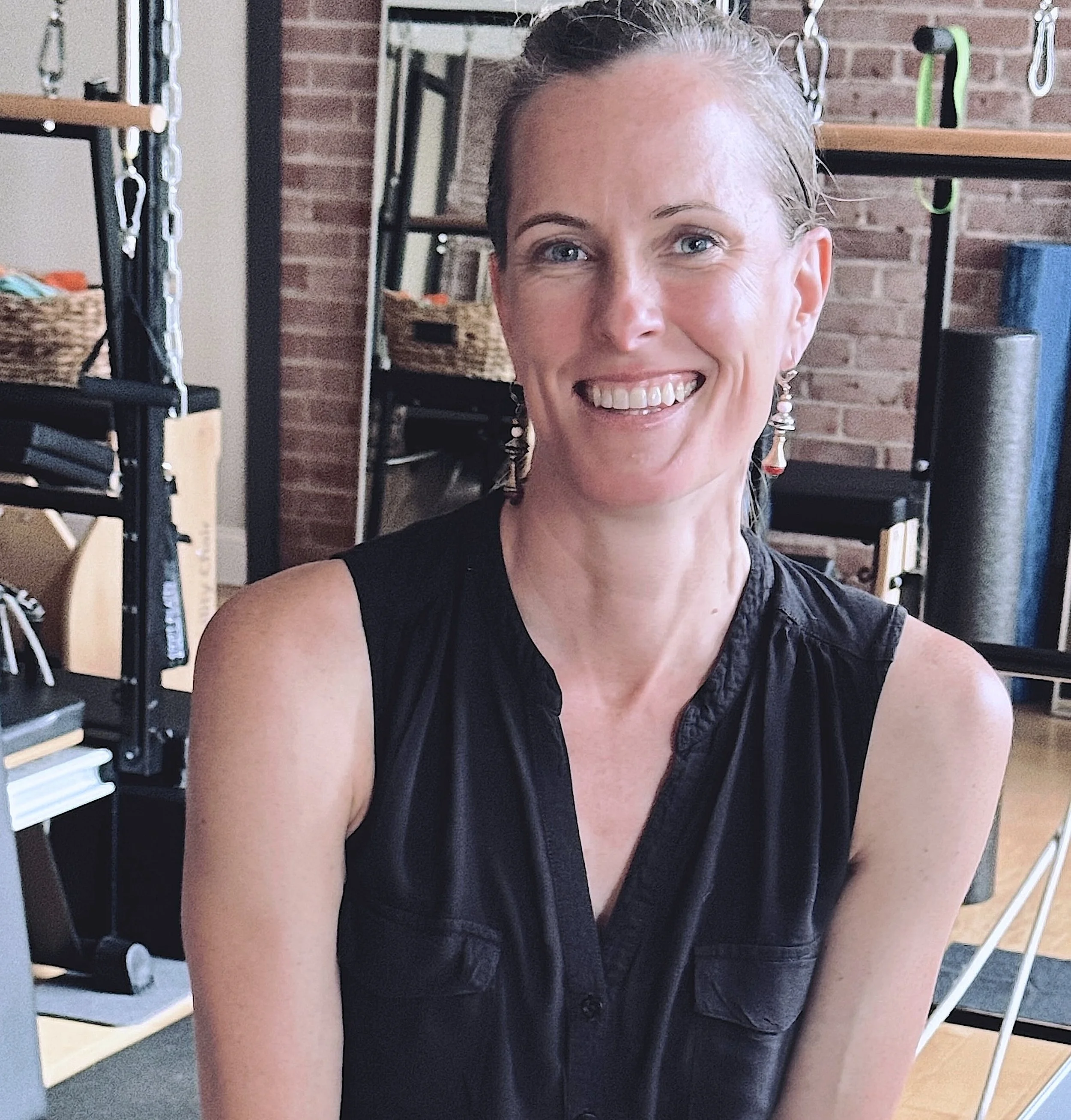
Rebecca Brown, DPT is an orthopedic physical therapist who also specializes in sports rehabilitation and TMJD PT.
Rebecca integrates her background in dance, Pilates, and physical therapy to help clients build strength, restore balance, and move with confidence. Her approach combines functional movement assessment, hands-on treatment, and personalized exercise programs to address the underlying causes of pain and dysfunction.
In practice, Rebecca focuses on orthopedic rehabilitation, functional strength, and movement re-education. She enjoys helping clients return to the activities they love—whether that’s daily movement, sports, or creative expression—by improving alignment, control, and resilience.
Rebecca specializes in:
Orthopedic rehabilitation and injury prevention
TMJD PT
Strength training for functional movement and bone health
Education on posture, breath, and body mechanics
Therapeutic Pilates
“Rebbeca has helped me recover from several injuries and surgeries over several years. She is an extraordinary physical therapist. She is extremely knowledgeable, always eager to listen, patient, and adaptive to one’s particular situation. I can’t say enough good things about her.”